
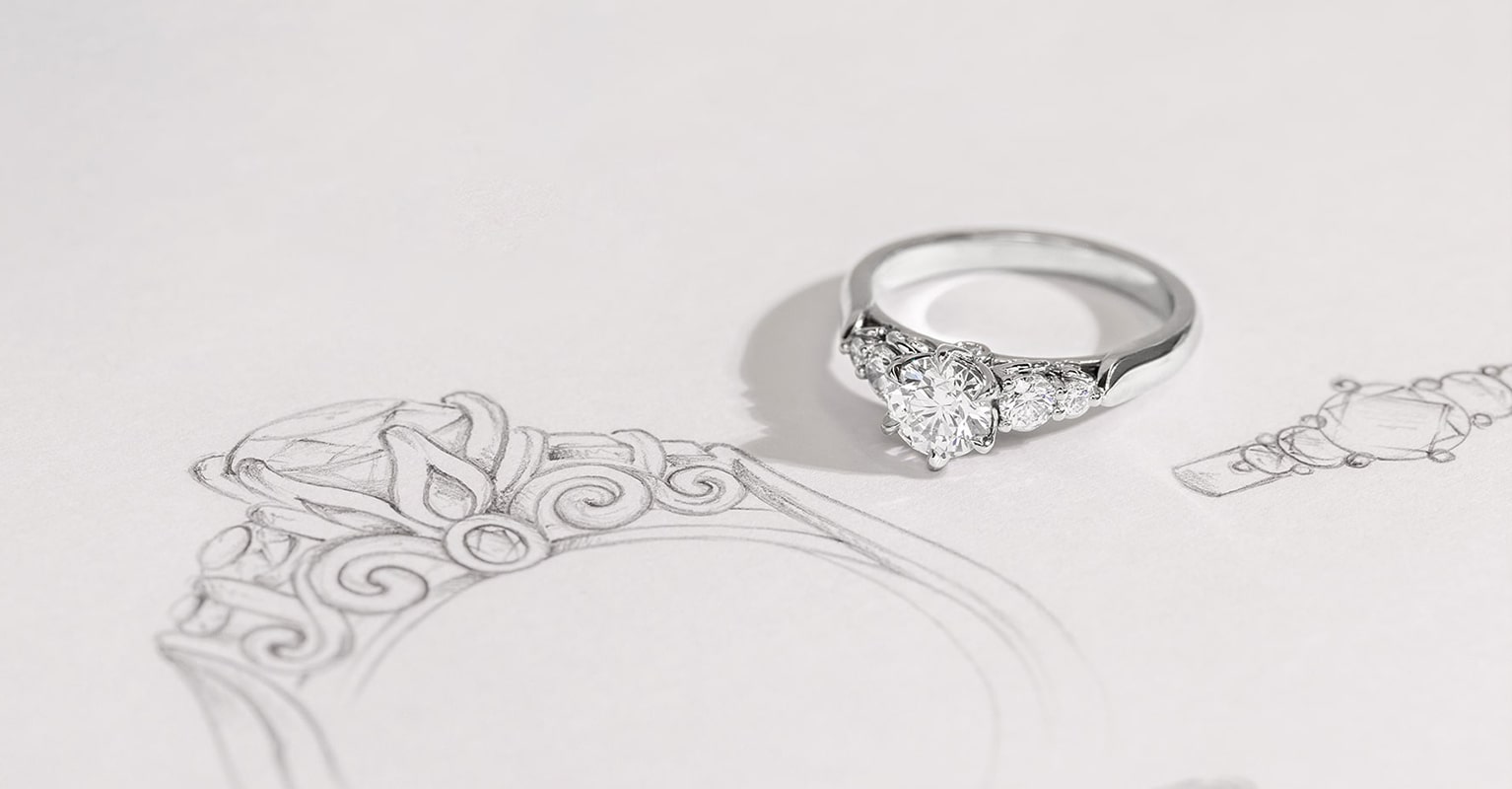
IGI vs GIA: Which Diamond Certification is Better?
When buying a diamond, one of the most important aspects to consider is its certification. Diamond certification ensures that the stone has been evaluated and graded for quality by a professional gemological laboratory. Among the most prominent and widely accepted grading institutions are the Gemological Institute of America (GIA) and the International Gemological Institute (IGI). While both provide similar services, their approaches, reputations, and market impact differ significantly. Here’s a closer look at IGI vs GIA, helping you understand which might be better suited for your needs.
GIA: The Industry Gold Standard
The Gemological Institute of America (GIA), founded in 1931, is a nonprofit organization and is considered the most respected and trusted authority in gemology. GIA developed the universally recognized 4Cs (Cut, Color, Clarity, and Carat weight) and created the international grading scale used today.
Pros of GIA:
-
Reputation for Consistency and Integrity: GIA is known for its strict grading standards and consistency. When a diamond receives a GIA certificate, buyers can be confident in the accuracy of the report.
-
Widely Trusted by Jewelers and Investors: GIA-graded diamonds often command higher resale values due to the trust associated with the certification.
-
Nonprofit and Independent: Being a nonprofit organization, GIA maintains a neutral stance, further enhancing its credibility.
Cons of GIA:
-
More Expensive: GIA-graded diamonds typically cost more than equivalent diamonds graded by other labs, partly because of the higher trust and perceived value.
-
Slower Turnaround: GIA’s detailed evaluation process can take longer than some commercial labs, which can delay jewelry production or resale timelines.
IGI: Popular in the Commercial Market
The International Gemological Institute (IGI) was founded in 1975 and is a for-profit organization headquartered in Antwerp, Belgium. IGI has gained a strong foothold in the global diamond market, especially in Asia and Europe, and is known for grading lab-grown diamonds, a category in which GIA was historically less active.
Pros of IGI:
-
Faster and More Affordable: IGI offers quicker report turnaround times and often grades diamonds at lower costs compared to GIA.
-
Strong in Lab-Grown Diamonds: IGI is a leader in certifying lab-created diamonds, making it a go-to choice for retailers and consumers in this growing market.
-
More Accessible for Retailers: IGI certification is widely used by mall-based jewelers and online retailers because of its cost-effectiveness and speed.
Cons of IGI:
-
Less Consistent Grading: Critics argue that IGI can be more lenient in grading, sometimes giving diamonds higher grades than GIA would, which can mislead buyers.
-
Lower Resale Value: Lab grown diamonds may not fetch as high a price on the resale market due to the perception of more generous grading.
IGI vs GIA: Which Should You Choose?
Choosing between IGI and GIA depends on your priorities as a buyer:
-
If accuracy, consistency, and resale value are most important to you, GIA is generally the better choice. It’s the preferred certification for high-value, natural diamonds.
-
If you are buying a lab-grown diamond, want to save money, or need a faster process, IGI may offer more practical advantages.
In short, GIA is ideal for high-end or investment-grade purchases, while IGI is suitable for budget-conscious buyers or those purchasing lab-created stones.
Final Thoughts
Both GIA and IGI play essential roles in the diamond industry. While GIA continues to be the benchmark for rigorous grading, IGI’s flexibility and dominance in the lab-grown segment make it highly relevant in today’s evolving jewelry market. Understanding their differences can empower consumers to make informed choices that align with their values and budgets.

More Stories

The Sparkling Choice: Understanding Loose Lab Created Diamonds and Their Rising Popularity
In recent years, the jewelry world has witnessed a significant shift in consumer preferences. Where natural diamonds once reigned supreme,...

Ethical Lab-Grown Diamonds: The Future of Sustainable Luxury
Introduction In latest years, the jewellery enterprise has passed through a chief transformation. Consumers are more and more conscious of...
The Rise of Lab Created Diamond Earrings: A Modern Luxury With a Conscience
Diamonds have lengthy been taken into consideration the epitome of elegance, a undying image of beauty, wealth, and romance. Traditionally...
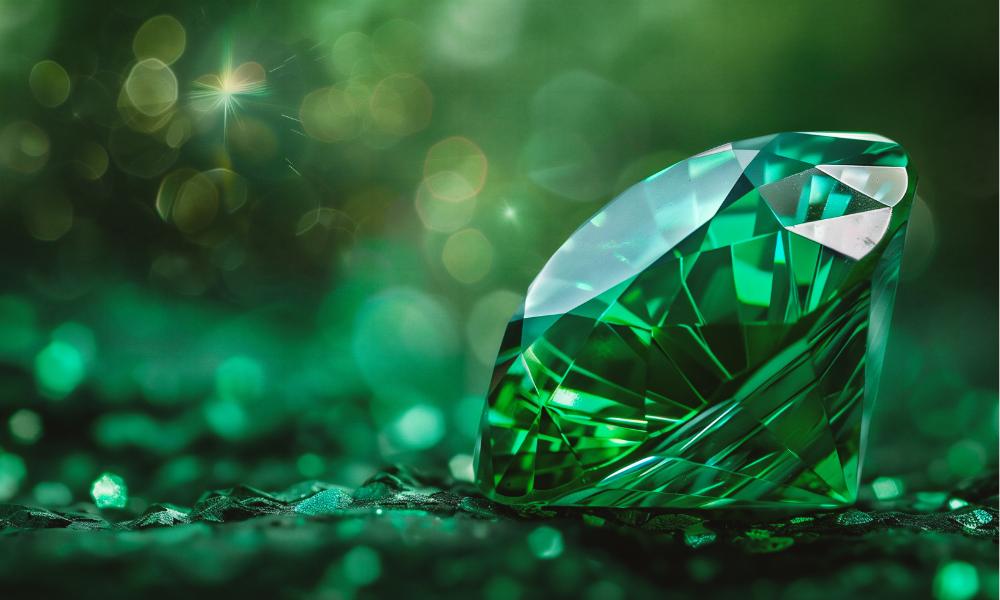
The Allure of Green Diamonds: Why Man Made Diamonds Are a Stunning Choice
When it comes to colored diamonds, green diamonds are among the most unique and sought-after options in the world of...
Lab Grown Diamond Jewellery: The Modern Brilliance of Man Made Diamonds
A New Era of Elegance In today’s evolving jewelry market, lab grown diamond jewellery is emerging as a symbol of...
Lab Grown Diamonds (CVD): The Future of Man Made Diamonds
As more couples look for ethical and affordable alternatives to traditional Lab grown diamonds cvd created through the CVD (Chemical Vapor...